Industrial Gateway has become a frequent topic in technical communities lately. The trigger: a vendor best known for home and office networking gear shipped its first gateway built for the field, and the unit itself became the conversation once it arrived — fanless, metal-bodied, with DIN-rail fittings, a long way from the plastic boxes people were used to. Plenty of onlookers, one recurring question: the hardware looks solid, but does an actual site need one?
Start by splitting that question into two levels. Some projects only need a path: device data goes out as-is, and the gateway's job is to keep the link alive. Others need the gateway to process data locally — pull devices speaking different protocols together, apply rules, then decide what to report and when. The first level is a job for an industrial router; the second is where an edge computing gateway belongs. Deciding whether to buy one is essentially deciding which level the site sits on.
First: the site mixes protocols but needs everything on one platform. A typical case is an older production line with a PLC, a few Modbus RTU meters, and auxiliary machines that only signal through digital I/O. To see all of it on one platform, someone first has to translate everything into a common language. The PUSR USR-M300 brings one RS232/485 and one RS485 serial port, two Ethernet ports, 2 DI, 2 DO and 2 AI (current), and collects from serial, network and I/O channels in parallel, supporting up to 2,000 data points. Modbus RTU/TCP conversion and common PLC protocols are built in. One device does the aggregation, the platform sees a single entry point, and the "one converter per device, then stitch the data by hand" stage disappears.
Second: data should not be shipped raw — it needs to be worked out at the edge first. Some readings are only worth reporting when something happens: a limit breach, a stoppage, a door left open. Pushing everything upstream as-is costs bandwidth and storage, and the anomalies drown in the normal traffic. This kind of site needs a gateway that can make decisions locally. The M300 runs Linux on a dual-core processor up to 1.2 GHz and supports Node-RED graphical programming, so reporting conditions and alarm triggers can be built directly into the flow. Anomalies are filtered at the edge; the cloud receives results that have already been processed.
Third: the hardware is settled, but the feature set is not. Sites routinely add collection points, add interlock rules, or even switch platforms after go-live. A gateway chosen for this kind of site should leave room to grow. The M300 is modular: when I/O runs out, DI/DO/AI/AO expansion modules slide on instead of replacing the whole unit, and new edge logic is a Node-RED flow change. Hardware bought once; features grow in software.
These three site types usually come with unkind conditions too — a control cabinet or field enclosure has no air conditioning. The M300's DIN-rail and wall mounting, wide-range DC input, -25 to 75 °C operating range and Level 3 EMC protection are designed for exactly these spots.
When uncertain, run the filter in reverse.
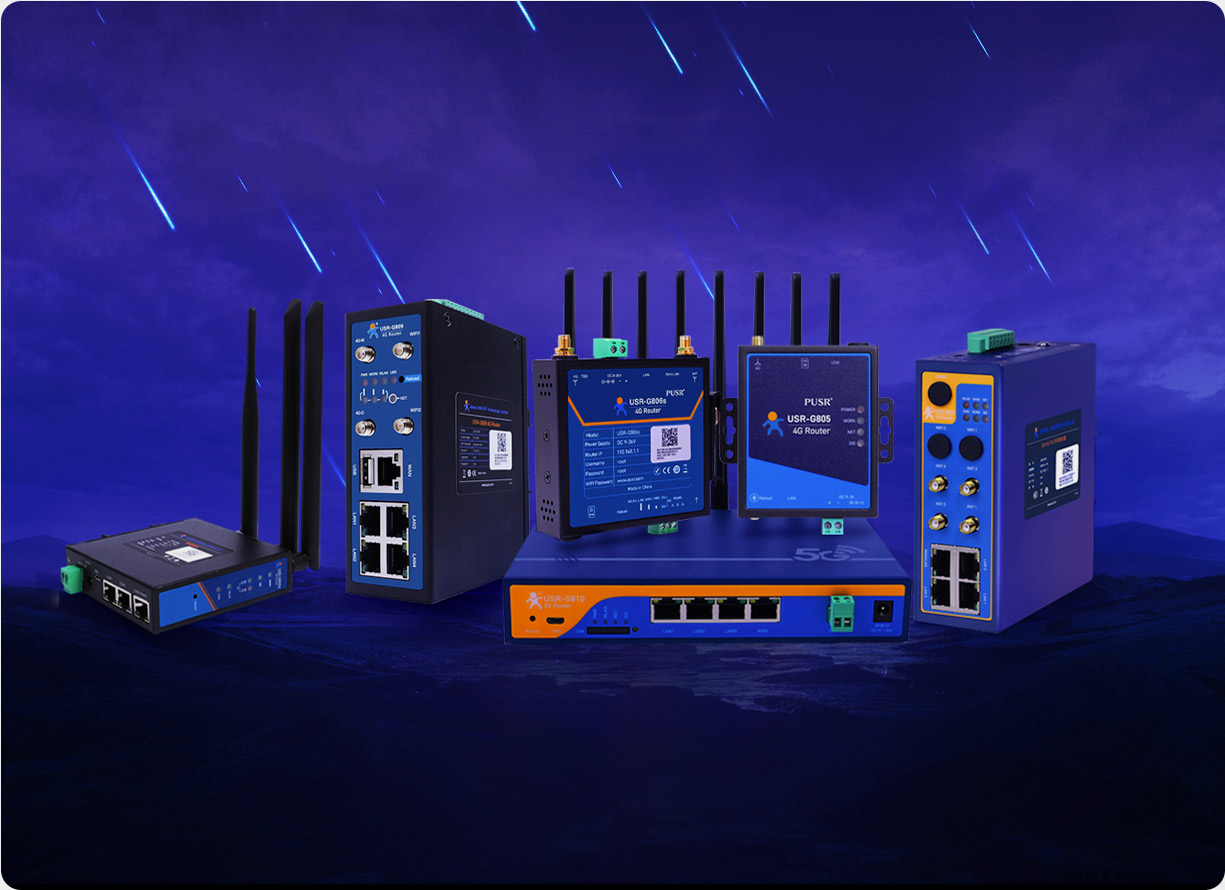
If the site only lacks an uplink — adding 4G for video or office traffic, or opening a remote-management path for a new site — no local processing is involved, an industrial router covers it, and the edge-computing capability goes unused.
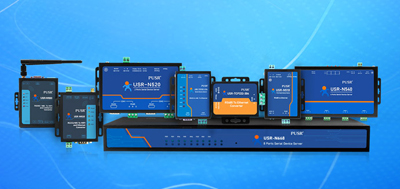
If one or two serial devices need to reach the network, the protocol is single and the format needs no conversion, a serial device server is enough, at lower cost and less debugging.
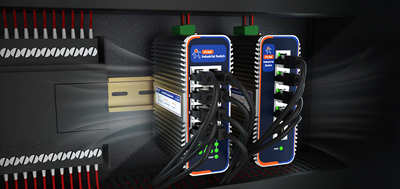
If the equipment already speaks Ethernet and the upper platform collects the data itself, the gateway would only add forwarding value — in most cases a plain industrial switch does the job with less hassle.
The short version: an edge computing gateway enters the picture only when the problem is about multiple protocols, local processing and headroom for later growth.
Back to the start. The new industrial gateway deserves attention because it puts "will this survive the site" back on the table — but whether a gateway is worth buying depends less on launch buzz than on which level the site sits at. For projects with mixed protocols, edge computing needs and room to expand, an edge computing gateway (Industrial Gateway) like the USR-M300 lines up on interfaces, processing power and expandability alike, with 3C, CE, FCC, ROHS and radio-type approvals for multiple markets covering compliance in export projects. Match the site before ordering — it saves more time than comparing spec sheets ever will.