Edge Computing: The "Golden Key" to Break Data Silos in Logistics Warehousing
In logistics warehousing, data silos have long plagued enterprises, hindering data sharing and causing inefficiencies. Edge computing offers hope, acting as a key to unlock data flow.
Diverse devices with different protocols hinder data sharing. For example, incompatible protocols in a warehouse lead to inventory issues.
Independent business systems prevent data circulation within enterprises, increasing costs. For instance, a logistics company's WMS and TMS systems fail to share data, causing transportation inefficiencies.
Concerns over data security and compliance hinder sharing. For example, a logistics firm hesitates to share customer data due to privacy fears.
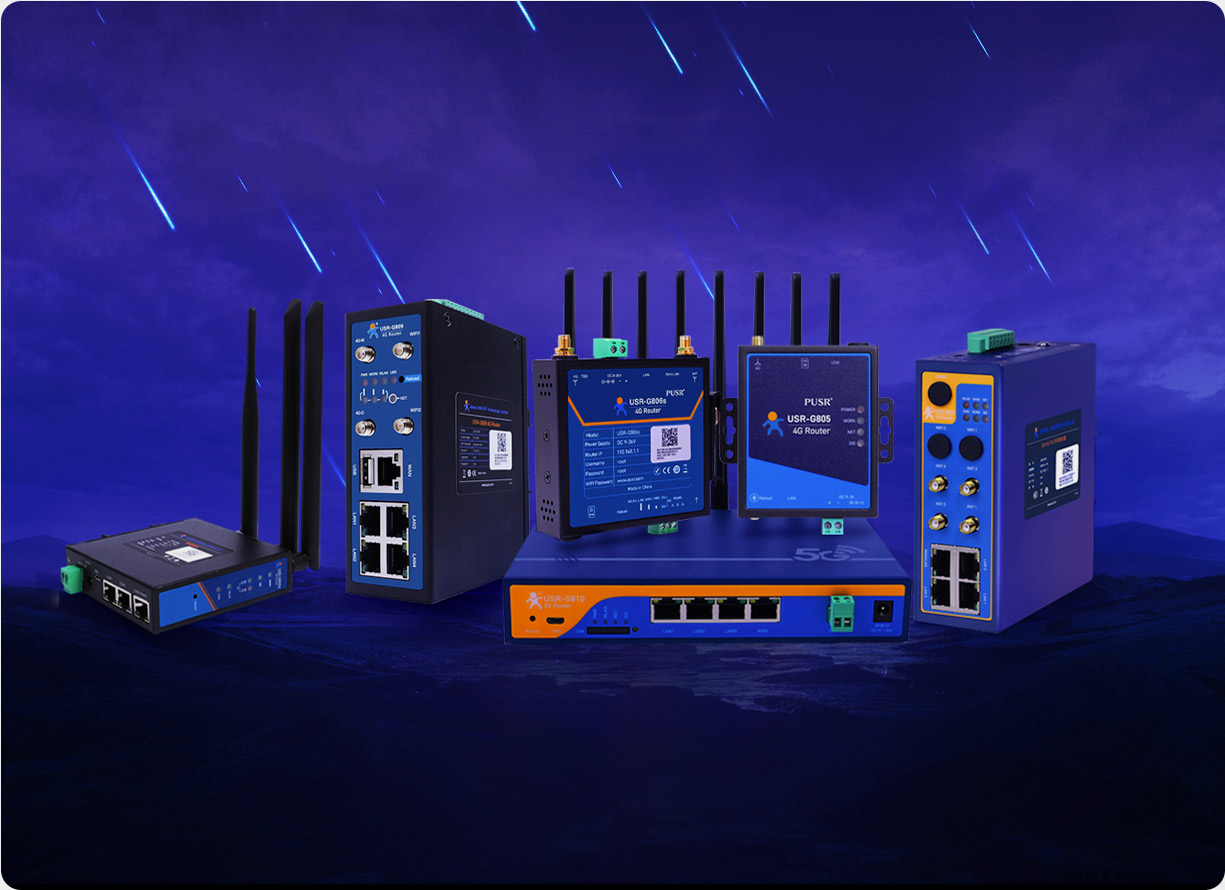
IoT gateways support multiple protocols, enabling unified data access. For example, USR-M300 connects old and new devices, improving inventory accuracy.
Edge computing processes data locally, reducing cloud bandwidth and storage costs. For example, a logistics firm cuts cloud storage costs by over 40% and bandwidth costs by over 60%.
Edge computing ensures data security through local processing and encryption. For example, USR-M300 supports encryption and access control, protecting data privacy.
Edge computing collaborates with the cloud for efficient data analysis and decision-making. For example, cloud optimization and edge execution improve logistics warehousing efficiency.
Enterprises initially worry about data security but recognize edge computing's advantages over time. For example, a logistics firm adopts USR-M300, ensuring data security and promoting sharing.
Enterprises doubt the cost-effectiveness of edge computing but see its benefits through reduced costs and improved efficiency. For example, a logistics firm optimizes transportation and inventory, enhancing competitiveness.
In the digital age, logistics warehousing faces transformation pressure. Edge computing supports intelligent management, automation, and precise delivery. For example, a logistics firm achieves autonomous decision-making and collaboration, laying the foundation for intelligent transformation.
Data silos hinder logistics warehousing development, but edge computing offers solutions through protocol compatibility, local processing, data security, and intelligent collaboration. Enterprises experience a psychological shift, recognizing edge computing's benefits and future trends. As edge computing evolves, it will drive logistics warehousing towards intelligence and digitization, creating greater value for enterprises.