From RS232 to Ethernet: A Steel Plant's Upgrade for Precise Traceability and Cost-Efficiency
In the wave of industrial automation, traditional manufacturing is transforming. A large steel plant, a leader in the industry, upgraded its communication system from 232 bus to Ethernet to meet growing production demands and complex equipment management challenges. This shift saved 30% in wiring costs and improved traceability and maintenance efficiency. This article analyzes the case, revealing its technical logic and business value, and highlights the role of the RS232 to Ethernet converter USR-TCP232-302.
Before the upgrade, the plant relied on RS232 bus for communication. However, as production expanded, its limitations became apparent:
Complex wiring and high costs: The RS232 bus required point-to-point connections, leading to extensive wiring and high maintenance costs.
Low communication speed and poor real-time performance: It struggled with high-speed data transmission and real-time control.
Lack of network management and traceability difficulties: Devices communicated in isolation, making unified network management and precise traceability challenging.
The plant's management recognized the need for an upgrade but had concerns:
Cost: Would the investment in new equipment, wiring modifications, and training pay off?
Technical risks: Would the new technology be stable and compatible with existing systems?
Maintenance challenges: Could the maintenance team quickly adapt to the new system?
However, the desire for precise traceability and improved production efficiency drove the plant to upgrade.
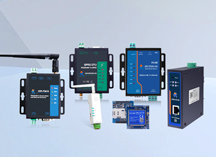
The plant chose the RS232 to Ethernet converter USR-TCP232-302 for its excellent performance, stability, and flexibility:
Seamless conversion and compatibility: It converted RS-485/RS-232 signals to TCP/IP, enabling seamless integration with Ethernet without extensive equipment modifications.
High-speed transmission and real-time performance: With 10/100Mbps Ethernet support, it met the plant's real-time control needs.
Network management and precise traceability: It enabled unified network management, remote monitoring, fault diagnosis, and precise traceability, improving maintenance efficiency.
The plant optimized its wiring plan using USR-TCP232-302's flexibility and networking capabilities:
Reduced wiring length: Ethernet switches and fiber optics replaced long-distance RS232 bus wiring with short-distance converter connections.
Centralized management and lower node costs: Multiple serial devices were connected to Ethernet via converters, reducing node numbers and costs.
Flexible expansion for future needs: Ethernet's scalability accommodated future equipment additions and layout changes, avoiding repeated wiring costs.
The plant saved 30% in wiring costs and significantly reduced maintenance expenses.
Before the upgrade, fault diagnosis was time-consuming. After the upgrade, USR-TCP232-302's network management allowed real-time monitoring and recording of device status and communication data, enabling quick fault location and precise traceability.
The Ethernet-based system supported remote monitoring, data analysis, and predictive maintenance. The plant used collected data to identify potential faults early, taking proactive measures to avoid unplanned downtime. Maintenance efficiency improved, allowing the team to focus on core business optimization.
The plant's management praised USR-TCP232-302: "This upgrade saved costs and improved maintenance efficiency and production safety. Precise traceability makes equipment management easier. We look forward to further cooperation to explore more industrial automation possibilities."
As Industry 4.0 arrives, the deep integration of industrial automation and precise traceability will be inevitable. RS232 to Ethernet converters will play a crucial role as bridges between traditional devices and modern networks. We expect more innovative products like USR-TCP232-302 to offer efficient, reliable, and intelligent communication solutions for industrial automation.
The steel plant's communication system upgrade from 232 to Ethernet was not just a technical innovation but also a display of business wisdom. By choosing USR-TCP232-302 as the core, the plant achieved cost savings, precise traceability, and improved maintenance efficiency. This case provides valuable insights for other manufacturing enterprises and showcases the endless possibilities in industrial automation. Let's work together for a brighter future in industrial automation!