For factory operators, maintenance teams and industrial decision-makers worldwide, a reliable industrial tablet is no longer a nice-to-have tool—it is the core that keeps production lines running smoothly, reduces unplanned downtime, and bridges the gap between on-site operations and digital management. Unlike consumer-grade devices that fail quickly in high-dust, high-vibration, extreme-temperature factory spaces, purpose-built industrial tablets are engineered to stand up to daily harsh conditions while delivering consistent performance for long-term use. This 2026 practical guide walks you through the key factors to evaluate, to help you pick a device that truly fits your factory’s real working scenarios.
The first non-negotiable rule for factory use is that your tablet must survive the environment, not the other way around. For assembly lines with heavy metal debris, frequent liquid splashes or constant equipment vibration, prioritize models with high ingress protection and impact resistance. Devices with full enclosed fanless designs eliminate the risk of dust clogging internal cooling systems, a common failure point for regular PC in dusty workshops.
If your factory involves frequent on-site patrols, outdoor loading and unloading, or low-temperature cold storage operations, choose a model that supports wide-temperature working ranges and drop resistance from 1.2 meters or higher. For scenarios with strict hygiene requirements like food processing or pharmaceutical production, opt for devices with antibacterial casing materials that can withstand repeated wipe-downs with industrial disinfectants, without surface peeling or aging.
A common mistake many factories make is buying a tablet that only meets their current needs, but becomes obsolete in 1-2 years when they upgrade their MES systems, add new IoT sensors, or roll out 5G full coverage. When evaluating performance, you do not need to chase top-tier consumer-grade specs, but you must confirm that the device leaves enough headroom for future upgrades.
Modular industrial tablet designs are the 2026 industry trend, allowing flexible hardware expansions without replacing the whole unit. You can add 5G communication modules, extra serial ports for connecting legacy workshop equipment, or higher-resolution display panels later, to adapt to new production processes. For light-duty scenarios like small component inspection and data entry, low-power ARM-based models are enough to cut long-term energy consumption; for core control rooms that run multiple monitoring software at the same time, choose x86 architecture models with stronger computing power to ensure smooth multi-task operation.
Screen size and installation methods directly affect daily operation efficiency, not just viewing comfort. For central control rooms of large production lines, 15-inch and above large-screen industrial all-in-one machines are ideal, which can display the full process flow, real-time equipment status and alarm information at a glance, no need to frequently switch pages to check data.
For on-site operators who need to carry the device between different stations, 7-10 inch compact portable models are more suitable, which can be held in one hand for operation, and also support wall mounting, din rail installation or fixed bracket installation at individual workstations, to free up hands for equipment debugging. For narrow space scenarios like inside machine cabinets or small test stations, ultra-slim embedded installation models can save valuable workshop space, without interfering with the normal operation of existing equipment.
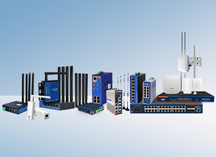
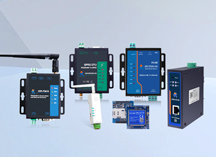
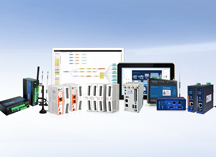
For factories with branches across different regions, passing local mandatory certifications is the basic premise to avoid customs delays and compliance risks. The USR industrial tablet series covers models for different usage scenarios, with full certifications including CE, FCC, RCM, ANATEL, 3C, MTC, NBTC, RoHS, WEEE and cybersecurity compliance, which can be directly deployed in Europe, North America, Australia, Brazil, Southeast Asia and other regions, no extra re-certification work needed.
In 2026, the most cost-effective industrial tablet is not the one with the highest parameters, but the one that matches your factory’s actual environment, can run stably for more than 5 years, and supports your digital upgrade at the lowest extra cost. Start from the four dimensions of durability, scalability, installation adaptability and global compliance, you can avoid most wrong purchase decisions, and let your on-site digital tools truly create value for production.