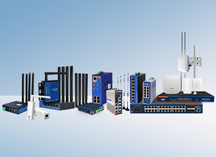
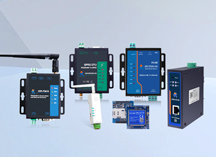
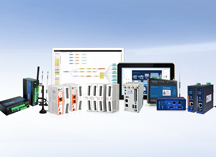
In 2026, 4G/5G cellular routers have become the core connectivity carrier for a large number of domestic industrial scenarios, covering remote equipment maintenance in manufacturing workshops, data transmission for outdoor IoT nodes, temporary network deployment on construction sites, and unattended monitoring scenarios in energy stations. Many engineers often face the problem of "no network after inserting the card" in actual projects, which delays the project progress and even causes the on-site data transmission to be interrupted. This article starts from the real pain points of domestic industrial sites, sorts out the key points that are easily overlooked when using SIM cards for cellular router, and helps you avoid common pitfalls.
In the on-site deployment of industrial networking, many problems are not caused by the failure of the router hardware itself, but stem from the cognitive deviations in the preparation and use of the SIM card. Three typical misunderstandings are the most common, which are also the high-incidence points of on-site failures:
Many users take it for granted that as long as the SIM card is inserted into the router, they can get a stable network. In fact, the signal strength of the on-site environment has a decisive impact on the network quality. If the router is installed in a metal equipment cabinet, basement or the edge of the coverage area of the operator's base station, the signal will be severely attenuated, resulting in frequent disconnections and slow transmission. In addition, when multiple devices in the industrial park access the same base station at the same time, the base station congestion will also cause obvious fluctuations in network speed, which cannot meet the stable transmission requirements of industrial data.
Many users choose low-cost dedicated traffic cards for industrial use, but do not understand the supporting rules of the cards. For example, some cards will be forced to reduce the speed to below 1Mbps after exceeding the monthly traffic threshold, and some operator systems will identify the access device type. If the card that has been used on the mobile phone for a long time is suddenly inserted into the cellular router, it may be judged as abnormal use and trigger the card locking mechanism. There are also some cards that restrict the access of non-mobile devices, and the network cannot be connected normally after insertion.
Most domestic cellular Internet of Things cards use the CGNAT (Carrier-Grade NAT) architecture. Under this mechanism, the router cannot obtain a real public IP address, and the remote end cannot directly initiate a connection to the on-site device. If your scenario requires remote maintenance of on-site equipment, port mapping or real-time monitoring of the production data of the workshop, it will be difficult to achieve direct access, and the remote operation will fail repeatedly even if the local network is normal.
Practical on-site operation points to avoid failures
Combined with the actual deployment experience of a large number of domestic industrial sites, we have sorted out the actionable operation steps before and after inserting the card, which can effectively reduce the probability of on-site failures:
First, pre-check the basic attributes of the SIM card.
Before inserting the card, confirm the card type with the operator in advance: whether it supports router access, whether there is a speed limit threshold, and whether there is a hidden traffic expiration rule. For dedicated cards and directional cards used in industrial scenarios, you must confirm the correct APN parameters provided by the card supplier, and manually fill in the configuration on the router instead of using the default automatic acquisition, otherwise it will easily lead to failure to dial up.
Second, verify the signal adaptation of the on-site environment.
After inserting the card, check the signal status on the router management page in time. If the signal strength is lower than -90dBm, you need to adjust the antenna position, replace the high-gain antenna, or move the router to a position away from metal shielding, so as to avoid the network instability caused by weak signal. It should be noted that the 4G/5G antenna cannot be mixed with the Wi-Fi antenna, otherwise mutual interference will be caused, resulting in failure to register the network.
Third, deal with the CGNAT scenario in advance.
For scenarios that require remote access, you can use the built-in VPN or lightweight tunneling function of the cellular router to realize remote data transmission without applying for a public IP separately, which can avoid the problem that the device cannot be directly accessed due to the CGNAT architecture. At the same time, enable the heartbeat keep-alive mechanism of the router, which can prevent the connection from being disconnected for a long time and being recycled by the operator's network, and maintain the long-term stability of the tunnel.
Fourth, avoid the risk of card locking caused by device replacement.
For the dedicated cards that have the mechanism of binding the device IMEI, do not replace the device frequently after activation. If you need to change the cellular router, you must contact the card supplier in advance to unbind and re-bind the IMEI of the new device, otherwise the card will be locked after being inserted into the new device, and the network cannot be connected.
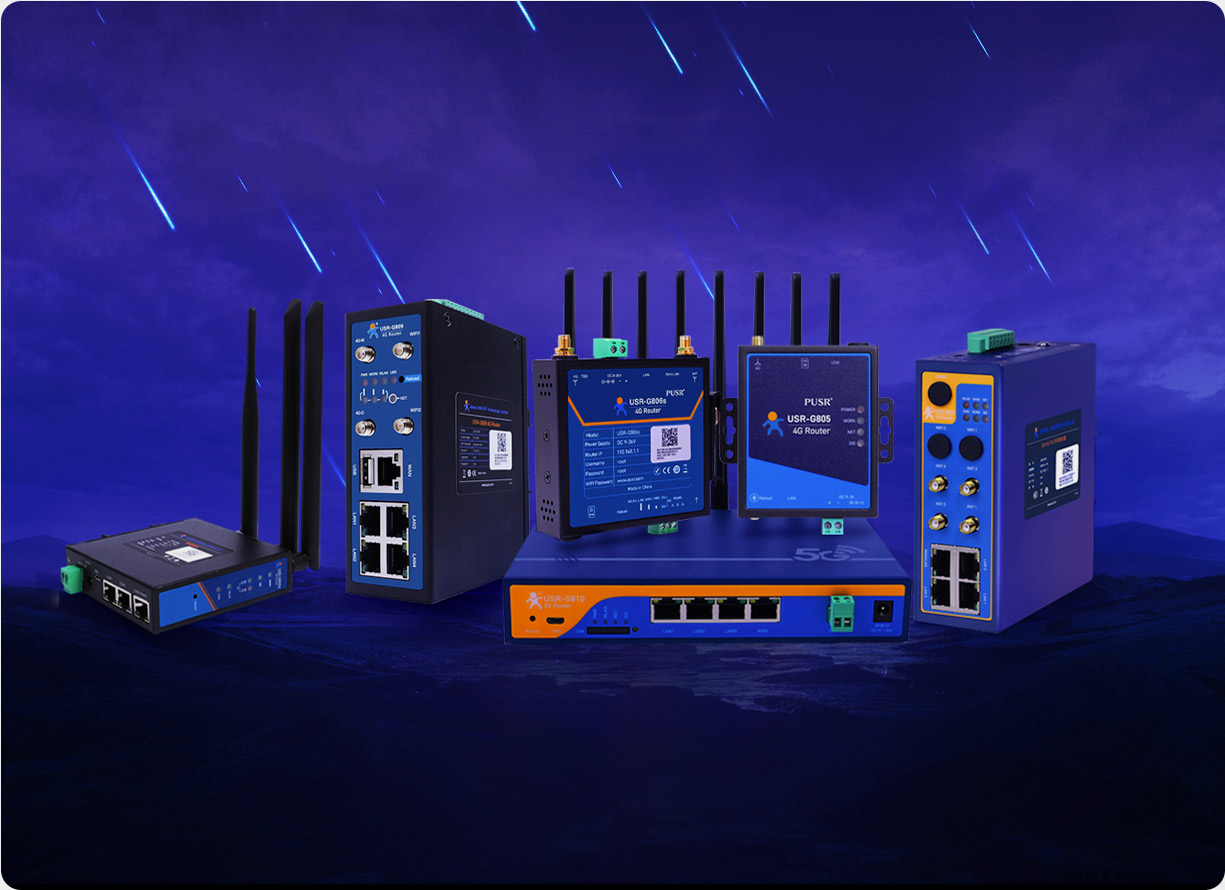
For the common industrial card networking scenarios such as workshop data transmission, outdoor equipment monitoring, and temporary construction site networking, the 4G cellular router with complete domestic certifications including 3C, SRRC and network security qualifications can well meet the stable use requirements. It supports multi-operator network adaptation, built-in APN quick configuration, and lightweight tunneling functions, which can help you quickly complete the on-site deployment, avoid the common pitfalls of SIM card use, and realize long-term stable and uninterrupted data transmission.
In actual industrial networking, the stable operation of the SIM card is not only a simple action of "inserting the card", but also needs to cover the full-link verification from the card policy, on-site signal to network architecture. Only by doing a good job of pre-inspection and targeted configuration can we avoid frequent on-site failures and ensure that the industrial data transmission is reliable and continuous.